Field note
The Truth About Long-Term Use of Ashwagandha: An Expert's Perspective on Its Benefits and Risks
Explore the long-term benefits and risks of ashwagandha from an expert's perspective. Learn about its effects on health and safety.
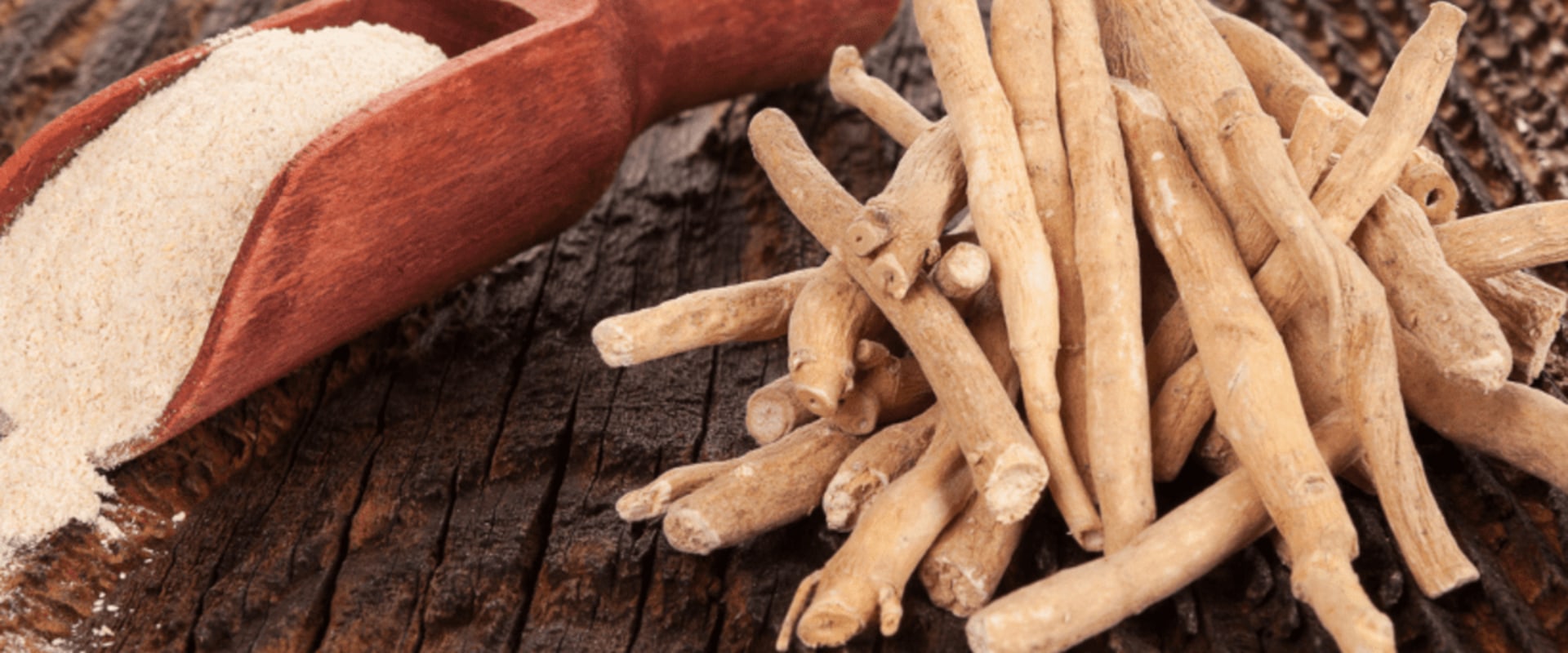
Ashwagandha, scientifically known as Withania somnifera, is a revered herb in the realm of traditional Indian medicine, particularly within the practice of Ayurveda. Often referred to as "Indian ginseng" or "winter cherry," this adaptogenic plant has been utilized for thousands of years to promote overall health and well-being. Its roots and berries are the primary components used for medicinal purposes, and they are believed to possess a wide array of therapeutic properties that can enhance physical and mental health. The significance of ashwagandha in Ayurvedic medicine cannot be overstated. It is classified as a rasayana, which means it is thought to rejuvenate the body and promote longevity.
Traditionally, ashwagandha has been used to combat stress, improve energy levels, and enhance cognitive function. Its adaptogenic qualities help the body adapt to stressors, making it a popular choice for those seeking natural ways to manage anxiety and fatigue. In recent years, scientific research has begun to validate many of the claims surrounding ashwagandha benefits. Studies have indicated that this powerful herb may help reduce cortisol levels, improve sleep quality, and even enhance athletic performance. As more people turn to natural remedies for health issues, understanding the full spectrum of ashwagandha's benefits becomes increasingly important.
This exploration not only highlights its historical significance but also sets the stage for a deeper discussion on its long-term use and potential implications for modern wellness practices.
The Benefits of Ashwagandha: What Science Says
Ashwagandha, a cornerstone of Ayurvedic medicine, has garnered significant attention in recent years for its potential health benefits. Scientific research has begun to validate many of the traditional claims surrounding this adaptogenic herb, particularly in areas such as stress reduction, cognitive enhancement, and physical performance.Stress Reduction
One of the most well-documented benefits of ashwagandha is its ability to reduce stress and anxiety. A study published in the Indian Journal of Psychological Medicine found that participants who took 300 mg of ashwagandha extract daily experienced a significant reduction in stress levels compared to those who received a placebo. The herb appears to lower cortisol levels, the hormone primarily responsible for stress responses, thereby promoting a sense of calm and well-being.
Cognitive Function
Ashwagandha may also play a role in enhancing cognitive function.
Research published in the journal Neuropsychology indicated that subjects who consumed ashwagandha showed improvements in memory, attention, and information processing speed. These cognitive benefits are attributed to the herb's antioxidant properties, which help protect brain cells from oxidative stress and inflammation.
Physical Performance
Ashwagandha has been linked to improved physical performance as well. A study conducted on healthy men demonstrated that those who supplemented with ashwagandha experienced greater increases in muscle strength and size compared to those who did not take the supplement. Additionally, participants reported enhanced endurance during physical activities, suggesting that ashwagandha may be beneficial for athletes or those engaged in regular exercise.
Other Potential Benefits
- Immune Support: Some studies suggest that ashwagandha may enhance immune function by promoting the activity of immune cells.
- Hormonal Balance: Ashwagandha has been shown to support thyroid function and may help regulate hormonal imbalances.
- Anti-Inflammatory Effects: The herb contains compounds that exhibit anti-inflammatory properties, potentially aiding in the management of chronic inflammatory conditions.
As with any herbal remedy, individual responses can vary, and consulting with a healthcare provider is advisable before starting any new supplement regimen.
Long-Term Use of Ashwagandha: Safety and Efficacy
The long-term use of ashwagandha has garnered significant attention, particularly as more individuals seek natural remedies for stress, anxiety, and overall wellness. While this ancient herb has been celebrated in Ayurvedic medicine for centuries, understanding its safety and efficacy over extended periods is crucial for anyone considering its incorporation into their daily routine. One of the primary concerns regarding the long-term use of ashwagandha is the potential for side effects. Although many users report positive outcomes, it is essential to recognize that high doses can lead to adverse reactions. Common side effects may include:- Stomach upset
- Diarrhea
- Nausea or vomiting
Reports of liver failure associated with ashwagandha are uncommon but highlight the importance of adhering to recommended dosages. To mitigate risks, it is advisable to consult with a healthcare professional before starting any new supplement regimen, especially if you have pre-existing health conditions or are taking other medications. This is particularly true for individuals with thyroid disorders, autoimmune diseases, or those who are pregnant or nursing. When considering the safety profile of ashwagandha, it is also vital to evaluate the quality of the supplement. Contamination from heavy metals or other harmful substances can occur if the herb is not sourced and processed correctly. Therefore, selecting products that have undergone rigorous third-party testing can help ensure purity and safety. In terms of dosage, many experts recommend starting with a lower dose and gradually increasing it based on individual tolerance and response.
A common guideline suggests a daily intake of around 500 mg taken twice a day. However, this can vary based on specific health goals and individual needs. In summary, while ashwagandha offers numerous potential benefits, its long-term use should be approached with caution. Understanding the possible side effects, ensuring product quality, and consulting with healthcare providers are essential steps in safely incorporating this powerful herb into your wellness routine.
Potential Side Effects and Risks of Prolonged Use
Ashwagandha, while celebrated for its numerous health benefits, is not without its potential side effects and risks, particularly when used over an extended period. Understanding these risks is crucial for anyone considering incorporating this adaptogenic herb into their wellness routine. One of the most commonly reported issues associated with ashwagandha is gastrointestinal discomfort.Users may experience symptoms such as:
- Stomach upset
- Diarrhea
- Nausea
- Vomiting
- Liver failure
- Elevated liver enzymes
- The need for liver transplantation in extreme cases
- Pregnant and nursing women: Ashwagandha may pose risks during pregnancy, potentially leading to complications.
- Individuals with thyroid disorders: Ashwagandha can influence thyroid hormone levels, which may exacerbate existing conditions.
- People with autoimmune diseases: The herb's immune-modulating effects could interfere with treatments or worsen symptoms.
Always consult a healthcare provider before starting ashwagandha, especially if you have pre-existing health conditions or are part of a sensitive population. By doing so, you can better ensure that your experience with this powerful herb is both safe and beneficial.
Choosing Quality Ashwagandha Supplements
When it comes to reaping the benefits of ashwagandha, the quality of the supplement you choose is paramount. With a plethora of options available on the market, selecting a high-quality product can be daunting. Here are some essential factors to consider when choosing ashwagandha supplements.Look for Third-Party Testing
One of the most reliable indicators of a quality supplement is third-party testing.Reputable brands often submit their products to independent laboratories for testing. This process ensures that the supplement contains what it claims on the label and is free from harmful contaminants. Look for certifications from organizations such as:
- ConsumerLab
- United States Pharmacopeia (USP)United States Pharmacopeia (USP)
- National Sanitation Foundation International (NSF)
Check for Standardized Extracts
Ashwagandha supplements can vary significantly in potency. To ensure you are getting a product that delivers consistent results, opt for standardized extracts.These extracts guarantee a specific percentage of active compounds, such as withanolides, which are responsible for many of ashwagandha's health benefits. A common standardization is 5% withanolides, but this can vary by brand.
Consider the Form of Ashwagandha
Ashwagandha is available in various forms, including capsules, powders, and liquid extracts. Each form has its own advantages:- Capsules: Convenient and easy to dose.
- Powders: Versatile; can be added to smoothies or foods.
- Liquid extracts: Often absorbed more quickly by the body.
Research Reputable Brands
Not all brands are created equal. Conduct thorough research on companies that produce ashwagandha supplements.Look for brands with a solid reputation, positive customer reviews, and transparency about their sourcing and manufacturing processes. Some well-regarded brands in the industry include:
- KSM-66 : Known for its high-quality root extract.
- Himalaya Herbal Healthcare : Offers a range of Ayurvedic products with a focus on sustainability.
- Gaia Herbs : Renowned for their commitment to purity and potency.
Dosage Recommendations for Ashwagandha
When considering the incorporation of ashwagandha into your wellness routine, understanding the appropriate dosage is crucial for maximizing its benefits while minimizing potential side effects. The recommended dosage can vary based on several factors, including the form of ashwagandha, individual health status, age, and specific health goals.Forms of Ashwagandha and Their Dosages
- Powder: Typically, a daily intake of 1 to 2 teaspoons (approximately 3 to 6 grams) of ashwagandha powder is recommended. This form can be mixed into smoothies, teas, or other beverages.
-
Capsules: For those who prefer convenience, ashwagandha capsules are widely available.
A common dosage is 500 mg taken once or twice daily. It’s advisable to follow the manufacturer’s instructions or consult a healthcare provider for personalized recommendations.
- Liquid Extracts: Liquid forms of ashwagandha may require different dosages. Generally, 1 to 2 ml of a standardized extract taken once or twice daily is suggested. Again, checking the product label for specific instructions is essential.
-
Gummies: Ashwagandha gummies are becoming increasingly popular.
The dosage typically ranges from 300 mg to 600 mg per serving, with one or two servings recommended per day.
Factors Influencing Dosage
The ideal dosage of ashwagandha can be influenced by various factors:
- Age: Younger adults may tolerate higher doses better than older adults, who might require lower amounts due to changes in metabolism and overall health.
- Health Status: Individuals with pre-existing health conditions such as thyroid disorders or autoimmune diseases should consult a healthcare professional before starting ashwagandha. Adjustments in dosage may be necessary based on individual health needs.
- Health Goals: The purpose for taking ashwagandha can also dictate the dosage. For stress relief and anxiety management, lower doses may suffice, while higher doses might be needed for enhancing athletic performance or improving cognitive function.
Consultation with Healthcare Providers
Before beginning any new supplement regimen, including ashwagandha, it is always wise to consult with a healthcare provider. They can provide tailored advice based on your unique health profile and ensure that you are taking the appropriate dosage for your needs. In summary, while ashwagandha offers numerous potential benefits, understanding the correct dosage is essential for safe and effective use.
By considering the form of ashwagandha you choose and your individual circumstances, you can optimize your experience with this powerful adaptogen.
Who Should Avoid Ashwagandha?
Ashwagandha, while celebrated for its numerous benefits, is not suitable for everyone. Certain populations should exercise caution or avoid this herb altogether due to potential health risks and contraindications. Understanding who should refrain from using ashwagandha is crucial for ensuring safety and well-being.Pregnant and Nursing Women
One of the most critical groups to consider is pregnant women. Ashwagandha has been linked to complications during pregnancy, including the risk of miscarriage.The herb may stimulate uterine contractions, which can be dangerous. Therefore, it is strongly advised that pregnant women avoid ashwagandha entirely. Additionally, nursing mothers should also exercise caution, as the effects of ashwagandha on breastfeeding infants are not well-studied.
Individuals with Autoimmune Diseases
People with autoimmune diseases such as rheumatoid arthritis, lupus, or multiple sclerosis should approach ashwagandha with caution. This herb can potentially stimulate the immune system, which may exacerbate symptoms or lead to flare-ups in individuals with these conditions.It is essential for those with autoimmune disorders to consult their healthcare provider before considering ashwagandha.
Those on Certain Medications
Ashwagandha may interact with various medications, particularly those that affect the thyroid or immune system. For instance:- Thyroid Medications: Ashwagandha can influence thyroid hormone levels, which may interfere with medications prescribed for thyroid disorders.
- Immunosuppressants: Individuals taking immunosuppressive drugs should avoid ashwagandha due to its potential immune-boosting effects.
- Antidepressants and Anti-anxiety Medications: Since ashwagandha can have sedative effects, it may enhance the effects of these medications, leading to excessive drowsiness or other side effects.
Individuals with Specific Health Conditions
People with certain health conditions should also be cautious. For example, those with gastrointestinal issues may experience discomfort when taking ashwagandha, especially in high doses. Additionally, individuals with liver problems should avoid this herb due to reports linking it to liver toxicity in rare cases. In summary, while ashwagandha offers many potential benefits, it is not universally safe for all individuals.Pregnant women, those with autoimmune diseases, individuals on specific medications, and people with certain health conditions should consult a healthcare professional before incorporating ashwagandha into their wellness routine.
Integrating Ashwagandha into Your Routine: Best Practices
Incorporating ashwagandha into your daily routine can be a straightforward process, but it requires some thought regarding timing, dosage, and how it interacts with other foods or supplements. Here are some best practices to help you maximize the benefits of this powerful adaptogen.Timing Your Ashwagandha Intake
The timing of when you take ashwagandha can significantly influence its effectiveness. While there is no one-size-fits-all answer, many users find that taking ashwagandha in the morning helps to enhance their energy levels and focus throughout the day. Conversely, others prefer to take it in the evening to promote relaxation and improve sleep quality. For those who experience digestive discomfort when taking ashwagandha on an empty stomach, consider having it with meals.This can help mitigate any potential stomach upset while still allowing you to reap the benefits of this herb.
Dosage Recommendations
When integrating ashwagandha into your routine, adhering to recommended dosages is crucial. A common guideline suggests starting with a dose of 500 mg taken twice daily. However, individual needs may vary based on factors such as body weight, health status, and specific wellness goals. It’s advisable to consult with a healthcare provider for personalized recommendations.Pairing Ashwagandha with Other Supplements
Ashwagandha can be effectively paired with other supplements to enhance its benefits.For instance:
- Magnesium: This mineral can complement ashwagandha's stress-reducing properties and promote better sleep.
- Omega-3 Fatty Acids: Known for their anti-inflammatory effects, omega-3s can work synergistically with ashwagandha to support overall health.
- B Vitamins: These vitamins play a vital role in energy production and can enhance the adaptogenic effects of ashwagandha.
Lifestyle Considerations
Your overall lifestyle can also impact how well ashwagandha works for you. Incorporating stress-reducing practices such as yoga, meditation, or regular exercise can amplify the herb's benefits. Additionally, maintaining a balanced diet rich in whole foods will provide your body with the necessary nutrients to support its functions while using ashwagandha. In summary, integrating ashwagandha into your routine involves careful consideration of timing, dosage, and lifestyle factors. By following these best practices, you can optimize your experience with this remarkable herb and enjoy its numerous ashwagandha benefits.Frequently Asked Questions About Ashwagandha
As the popularity of ashwagandha continues to grow, so do the questions surrounding its use and benefits.Here, we address some of the most frequently asked questions to help clarify common misconceptions and provide valuable insights.
What is ashwagandha?
Ashwagandha, scientifically known as Withania somnifera, is an adaptogenic herb traditionally used in Ayurvedic medicine. It is renowned for its ability to help the body manage stress, enhance energy levels, and promote overall well-being.What are the primary benefits of ashwagandha?
- Stress Reduction: Ashwagandha is best known for its ability to lower cortisol levels, which can help alleviate stress and anxiety.
- Improved Sleep Quality: Many users report better sleep patterns and reduced insomnia when taking ashwagandha regularly.
- Enhanced Cognitive Function: Some studies suggest that ashwagandha may improve memory and cognitive abilities.
- Increased Energy and Stamina: This herb is often used to boost physical performance and endurance.
Are there any side effects associated with ashwagandha?
While ashwagandha is generally considered safe for most people, some may experience mild side effects such as:- Gastrointestinal upset
- Drowsiness
- Headaches
Can I take ashwagandha with other medications?
Ashwagandha may interact with certain medications, particularly those that affect the thyroid or sedatives. Always discuss with your doctor if you are considering combining it with other treatments.Is it safe to take ashwagandha long-term?
The long-term safety of ashwagandha is still being studied. While many people use it without issues for extended periods, it’s advisable to take breaks or cycle its use under medical supervision.Are there any myths about ashwagandha?
- Ashwagandha is only for stress relief: While it is well-known for this benefit, it also supports various aspects of health, including immune function and hormonal balance.
- Ashwagandha causes weight gain: Contrary to this belief, many users find that it helps maintain a healthy weight by reducing stress-related cravings.
Always remember that individual experiences may vary, and consulting a healthcare professional is key to making informed decisions about your health.
Conclusion: Weighing the Benefits Against the Risks of Ashwagandha Use
In conclusion, the journey of understanding the long-term use of ashwagandha is multifaceted, requiring a careful examination of both its potential benefits and associated risks. As we have explored, this ancient herb has garnered attention for its numerous health advantages, including stress reduction, improved cognitive function, and enhanced physical performance. However, it is essential to approach its use with caution and informed awareness. While many individuals report positive outcomes from incorporating ashwagandha into their wellness routines, the long-term safety profile remains somewhat ambiguous. The limited research available on prolonged use raises valid concerns about possible side effects, such as gastrointestinal disturbances and rare but serious liver complications.Therefore, it is crucial to adhere to recommended dosages and consult healthcare professionals, especially for those with pre-existing conditions or specific health concerns. Moreover, the quality of ashwagandha supplements cannot be overstated. With the risk of contamination from heavy metals or other harmful substances, selecting products that have undergone rigorous third-party testing is vital. This ensures that you are consuming a safe and effective product that aligns with your health goals. Ultimately, the decision to use ashwagandha should be based on a thorough understanding of your individual health needs and circumstances. Engaging in open discussions with healthcare providers can help tailor a regimen that maximizes benefits while minimizing risks.
As with any supplement, informed decision-making is key to achieving optimal health outcomes. In summary, while ashwagandha offers promising benefits for many individuals, it is essential to weigh these against potential risks carefully. By doing so, you can make educated choices that support your long-term health and well-being.