Field note
The Power of Ashwagandha: Comprehensive Insights on Benefits, Risks, and Essential Information
Discover the benefits and risks of ashwagandha, an adaptogenic herb known for enhancing health and wellness. Learn what you need to know.
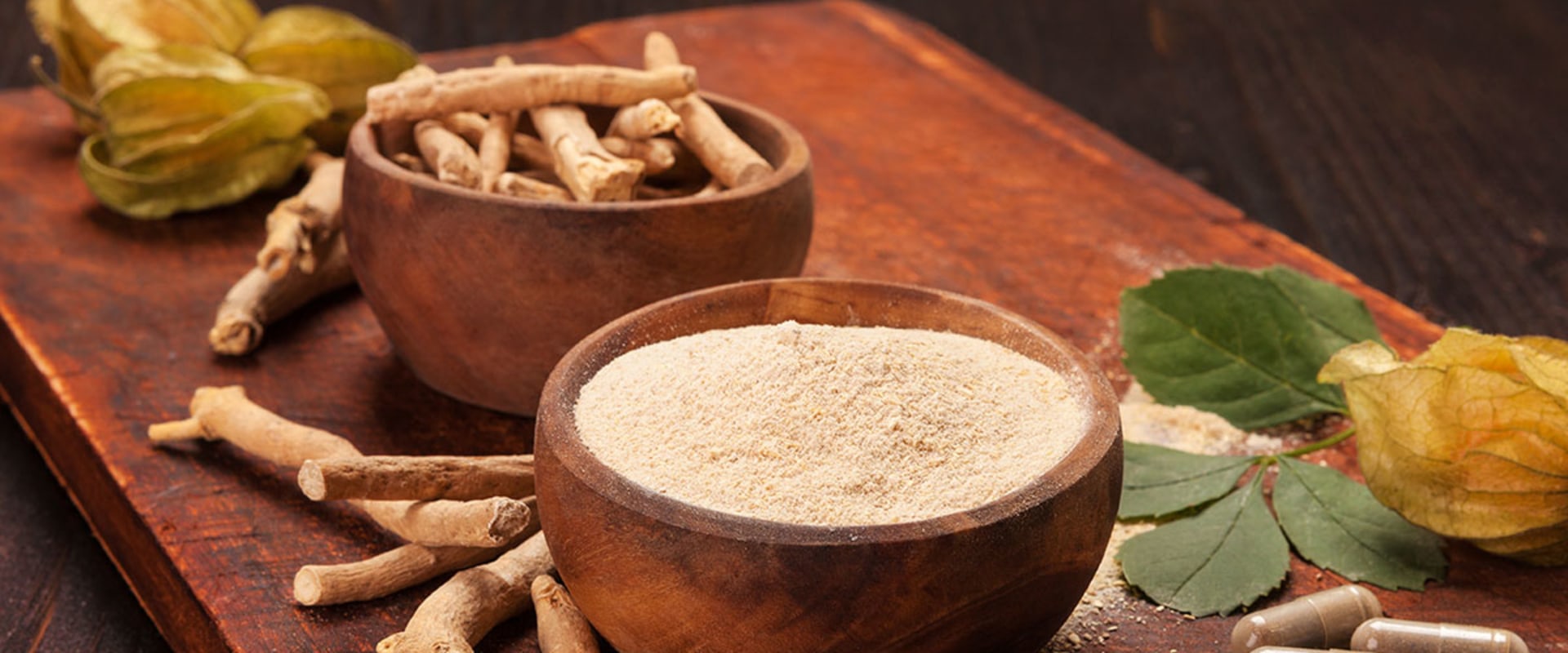
Ashwagandha, scientifically known as Withania somnifera, is a revered herb in traditional Ayurvedic medicine, often referred to as "Indian ginseng" or "winter cherry." This small shrub, native to the arid regions of India and North Africa, has been utilized for thousands of years for its remarkable health benefits. The roots and berries of ashwagandha are the primary parts used in herbal preparations, celebrated for their adaptogenic properties—meaning they help the body adapt to stress and promote overall balance. The significance of ashwagandha in traditional medicine cannot be overstated. It has been employed to enhance vitality, improve mental clarity, and support physical endurance. Ancient texts describe its use in treating a variety of ailments, from anxiety and insomnia to inflammation and fatigue.
As modern science begins to validate these ancient practices, the herb has gained traction in contemporary wellness circles, with many seeking to harness its potential benefits. In recent years, research has illuminated the myriad ashwagandha benefits, revealing its role in enhancing cognitive function, reducing stress levels, and even supporting reproductive health. As more individuals turn to natural remedies for their health concerns, understanding what ashwagandha is and how it works becomes increasingly important. This overview sets the stage for a deeper exploration into the specific advantages of ashwagandha, as well as any associated risks that users should be aware of.
The Health Benefits of Ashwagandha
Ashwagandha, a revered herb in Ayurvedic medicine, has garnered significant attention for its extensive range of health benefits. This adaptogenic herb is known for its ability to help the body manage stress, enhance cognitive function, and improve overall physical health.Stress Reduction
One of the most celebrated ashwagandha benefits is its remarkable ability to reduce stress and anxiety.
Research indicates that ashwagandha can lower cortisol levels, the hormone primarily responsible for stress. A study published in the Indian Journal of Psychological Medicine found that participants who took ashwagandha extract experienced a significant reduction in stress and anxiety levels compared to those who received a placebo. This makes ashwagandha an excellent natural alternative for individuals seeking to manage their stress without resorting to pharmaceuticals.
Cognitive Function Enhancement
Ashwagandha is also linked to improved cognitive function. The herb contains compounds known as withanolides, which have been shown to possess neuroprotective properties.
These compounds may help enhance memory, focus, and overall cognitive performance. In a clinical trial, participants who consumed ashwagandha demonstrated improved memory and cognitive abilities after just eight weeks of supplementation. This suggests that incorporating ashwagandha into your daily routine could be beneficial for maintaining mental clarity and sharpness.
Physical Health Benefits
Ashwagandha's advantages extend beyond mental health; it also supports physical well-being. Studies have indicated that this powerful herb can enhance physical performance by increasing strength and endurance.
For instance, a study involving healthy adults showed that those who supplemented with ashwagandha experienced greater improvements in muscle strength and recovery times compared to those who did not take the supplement.
Moreover, ashwagandha has been found to have anti-inflammatory properties, which can be particularly beneficial for individuals suffering from chronic pain or inflammatory conditions. By reducing inflammation in the body, ashwagandha may help alleviate symptoms associated with arthritis and other inflammatory diseases.
Conclusion
The myriad ashwagandha uses highlight its potential as a holistic approach to enhancing both mental and physical health. From reducing stress and anxiety to improving cognitive function and physical performance, ashwagandha stands out as a versatile herb with numerous advantages. As always, it is advisable to consult with a healthcare professional before starting any new supplement regimen to ensure it aligns with your individual health needs.
Stress and Anxiety Relief: How Ashwagandha Works
Ashwagandha, a revered herb in Ayurvedic medicine, is widely recognized for its remarkable ability to alleviate stress and anxiety.As an adaptogen , ashwagandha helps the body adapt to stressors, promoting a sense of calm and balance. But how exactly does this powerful herb work to combat stress and anxiety? One of the primary mechanisms through which ashwagandha exerts its calming effects is by regulating cortisol levels. Cortisol, often referred to as the "stress hormone," is produced by the adrenal glands in response to stress. Elevated cortisol levels can lead to a range of negative health effects, including anxiety, depression, and sleep disturbances.
Research has shown that ashwagandha can significantly lower cortisol levels, thereby reducing the physiological impact of stress on the body. In a study published in the Indian Journal of Psychological Medicine, participants who took ashwagandha extract experienced a notable reduction in stress and anxiety levels compared to those who received a placebo. The study highlighted that individuals taking ashwagandha reported improved overall well-being and reduced feelings of anxiety after just 60 days of supplementation. Ashwagandha's ability to enhance the body's resilience to stress is also linked to its antioxidant properties. The herb contains withanolides, which are compounds known for their ability to combat oxidative stress. By neutralizing free radicals, ashwagandha helps protect brain cells from damage that can result from chronic stress, thereby supporting mental clarity and emotional stability. Moreover, ashwagandha may influence neurotransmitter activity in the brain.
It has been suggested that this herb can enhance the production of gamma-aminobutyric acid (GABA), a neurotransmitter that plays a crucial role in promoting relaxation and reducing anxiety. By modulating GABA levels, ashwagandha may help create a calming effect on the nervous system. For those seeking natural alternatives for managing stress and anxiety, incorporating ashwagandha into their wellness routine may offer significant benefits. However, it is essential to consult with a healthcare professional before starting any new supplement regimen, especially for individuals with pre-existing health conditions or those taking medications.
Cognitive Health: Enhancing Memory and Focus with Ashwagandha
Ashwagandha, a revered herb in Ayurvedic medicine, has garnered attention for its potential to enhance cognitive health. As the demands of modern life increase, many individuals seek natural solutions to improve their memory and focus.Research suggests that ashwagandha may play a significant role in supporting these cognitive functions. One of the primary ways ashwagandha contributes to cognitive health is through its adaptogenic properties. Adaptogens are substances that help the body adapt to stress and promote balance. Chronic stress can lead to cognitive decline, affecting memory and concentration. By reducing stress levels, ashwagandha may help protect the brain from the detrimental effects of prolonged stress exposure.
Memory Enhancement
Several studies have explored the impact of ashwagandha on memory enhancement.A notable study published in the journal Journal of Dietary Supplements found that participants who took ashwagandha extract showed significant improvements in their memory and cognitive function compared to those who received a placebo. The researchers attributed these improvements to the herb's ability to reduce oxidative stress and inflammation in the brain, which are known factors that can impair memory.
Focus Improvement
Ashwagandha's benefits extend beyond memory enhancement; it also appears to improve focus and attention. In a randomized controlled trial, participants who consumed ashwagandha reported better concentration and mental clarity. This effect is likely linked to the herb's ability to modulate neurotransmitter levels, particularly acetylcholine, which plays a crucial role in attention and learning. Moreover, ashwagandha may help combat cognitive fatigue.Many individuals experience mental fatigue due to busy lifestyles or demanding work environments. By promoting relaxation and reducing anxiety, ashwagandha can help individuals maintain their focus for longer periods, ultimately enhancing productivity. In summary, the cognitive benefits of ashwagandha are supported by emerging research that highlights its potential for enhancing memory and improving focus. As more studies are conducted, we may gain deeper insights into how this powerful herb can be integrated into our daily routines for optimal cognitive health.
Physical Health Benefits: From Inflammation to Fertility
Ashwagandha, a revered herb in Ayurvedic medicine, is gaining recognition for its extensive physical health benefits. Among these, its ability to reduce inflammation and support male fertility stands out, making it a valuable addition to many wellness routines.Inflammation Reduction
Chronic inflammation is linked to numerous health issues, including heart disease, diabetes, and arthritis.Ashwagandha contains potent anti-inflammatory compounds, particularly withanolides, which have been shown to inhibit the production of inflammatory markers in the body. Research indicates that ashwagandha can significantly lower levels of C-reactive protein (CRP), a key indicator of inflammation. In a clinical study involving participants with rheumatoid arthritis, those who supplemented with ashwagandha reported a marked decrease in joint pain and stiffness compared to the placebo group. This suggests that ashwagandha may not only alleviate symptoms but also address the underlying inflammatory processes contributing to such conditions.
Fertility Support
Ashwagandha's benefits extend to male fertility as well. Several studies have highlighted its potential to enhance reproductive health by increasing testosterone levels and improving sperm quality.In one study, men who took ashwagandha supplements experienced a significant increase in testosterone levels, which is crucial for sperm production and overall reproductive function. Moreover, ashwagandha has been found to improve sperm motility and morphology, which are essential factors for male fertility. The herb's adaptogenic properties may also help reduce stress levels, further supporting reproductive health. Stress is known to negatively impact hormone levels and fertility; thus, by managing stress through ashwagandha supplementation, men may experience improved reproductive outcomes. In summary, the physical health benefits of ashwagandha are multifaceted. Its ability to combat inflammation can lead to better overall health and reduced risk of chronic diseases.
Additionally, its positive effects on male fertility make it an appealing option for those looking to enhance their reproductive health. As always, it is advisable to consult with a healthcare professional before starting any new supplement regimen.
Potential Risks and Side Effects of Ashwagandha
While ashwagandha is celebrated for its numerous health benefits, it is essential to recognize that it may not be suitable for everyone. Understanding the potential risks and side effects associated with ashwagandha can help individuals make informed decisions about its use.Common Side Effects
- Gastrointestinal Issues: Some users report experiencing digestive discomfort, including nausea, diarrhea, or upset stomach. These symptoms are often mild but can be bothersome for some individuals.
- Fatigue: Although ashwagandha is known for its adaptogenic properties, which help combat stress, some people may feel unusually tired or lethargic after taking it.
- Headaches: A few users have reported headaches as a side effect, which may be linked to dosage or individual sensitivity to the herb.
Who Should Avoid Ashwagandha?
There are specific groups of people who should exercise caution or avoid ashwagandha altogether:
- Pregnant and Nursing Women: Due to limited research on the safety of ashwagandha during pregnancy and lactation, it is advisable for women in these categories to avoid its use.
- Individuals with Autoimmune Disorders: Ashwagandha can stimulate the immune system, which may exacerbate conditions such as lupus, rheumatoid arthritis, or multiple sclerosis.
Those with autoimmune disorders should consult a healthcare professional before considering supplementation.
- People with Thyroid Issues: Ashwagandha may influence thyroid hormone levels. Individuals with hyperthyroidism or those taking thyroid medications should seek medical advice before using this herb.
- Those on Certain Medications: Ashwagandha can interact with various medications, including sedatives, blood sugar-lowering drugs, and immunosuppressants. It is crucial to discuss any potential interactions with a healthcare provider.
The Importance of Consultation
Before starting any new supplement regimen, including ashwagandha, it is vital to consult with a healthcare professional. They can provide personalized advice based on your health history and current medications.
This step is particularly important for individuals with pre-existing health conditions or those who are pregnant or nursing. In summary, while the benefits of ashwagandha are compelling, being aware of its potential side effects and risks is crucial for safe usage. By consulting a healthcare provider, you can ensure that you make the best choice for your health and well-being.
Who Should Consider Using Ashwagandha?
Ashwagandha, a revered herb in Ayurvedic medicine, offers a range of potential health benefits, making it an appealing option for various individuals. However, understanding who can safely incorporate this adaptogen into their wellness routine is crucial.Who Can Benefit from Ashwagandha?
- Individuals Experiencing Stress and Anxiety: Ashwagandha is renowned for its adaptogenic properties, which help the body manage stress. Those dealing with chronic stress or anxiety may find relief through regular use of ashwagandha supplements.
- People with Sleep Disorders: If you struggle with insomnia or disrupted sleep patterns, ashwagandha may promote better sleep quality.
Its calming effects can help relax the mind and body, making it easier to fall asleep.
- Fitness Enthusiasts: Athletes and those engaged in regular physical activity may benefit from ashwagandha's ability to enhance endurance and recovery. Research suggests that it can improve physical performance and reduce exercise-induced muscle damage.
- Individuals Seeking Cognitive Support: For those looking to boost memory and cognitive function, ashwagandha may offer protective benefits for brain health. Its antioxidant properties can help shield brain cells from oxidative stress.
- Men with Fertility Concerns: Ashwagandha has been linked to improved testosterone levels and sperm quality in men. Those facing fertility challenges may consider incorporating this herb into their regimen.
Who Should Exercise Caution?
- Pregnant or Nursing Women: Due to limited research on the safety of ashwagandha during pregnancy and lactation, it is advisable for women in these categories to avoid its use unless directed by a healthcare professional.
- Individuals with Autoimmune Disorders: Since ashwagandha can stimulate the immune system, those with autoimmune conditions such as lupus or rheumatoid arthritis should consult their doctor before use, as it may exacerbate their symptoms.
- People on Certain Medications: If you are taking medications for thyroid issues, blood sugar management, or mental health conditions, it’s essential to discuss ashwagandha with your healthcare provider to avoid potential interactions.
Consulting with a healthcare professional can help determine if this powerful herb is suitable for your specific health needs and circumstances.
How to Incorporate Ashwagandha into Your Routine
Incorporating ashwagandha into your daily routine can be a straightforward process, but understanding the best methods and dosages is crucial for maximizing its benefits. Here’s a comprehensive guide on how to take ashwagandha effectively.Forms of Ashwagandha
Ashwagandha is available in several forms, each with its own advantages:- Powder: This is the traditional form used in Ayurvedic medicine. It can be mixed into smoothies, teas, or even sprinkled on food.
- Capsules: For those who prefer convenience, ashwagandha capsules are an easy way to ensure consistent dosing without the need for preparation.
- Tinctures: Liquid extracts can be taken directly or added to water or juice, offering a quick absorption rate.
Recommended Dosage
The appropriate dosage of ashwagandha can vary based on individual needs and health conditions. However, general guidelines suggest:- For general wellness: 300-500 mg of standardized extract taken once or twice daily.
- For stress relief: 500-600 mg per day may be beneficial, particularly for those experiencing high levels of stress or anxiety.
- For cognitive enhancement: 600-1000 mg daily has been shown to support memory and focus.
Best Practices for Use
To get the most out of ashwagandha, consider the following tips:- Consistency is key: Take ashwagandha at the same time each day to establish a routine.
- Combine with food: Taking ashwagandha with meals can enhance absorption and reduce any potential digestive discomfort.
- Avoid late doses: If you find that ashwagandha makes you feel more energized, consider taking it earlier in the day rather than before bedtime.
By understanding how to properly incorporate ashwagandha into your routine, you can harness its full potential for improved health and well-being.
Frequently Asked Questions about Ashwagandha
Ashwagandha has garnered significant attention in recent years, leading to a plethora of questions and misconceptions surrounding its use. Below, we address some of the most frequently asked questions about this powerful herb to help clarify any doubts.What is ashwagandha?
Ashwagandha, scientifically known as Withania somnifera, is an adaptogenic herb traditionally used in Ayurvedic medicine. It is renowned for its ability to help the body adapt to stress and promote overall wellness.What are the primary benefits of ashwagandha?
- Stress Reduction: Ashwagandha is best known for its ability to lower cortisol levels, which can help alleviate stress and anxiety.
- Improved Cognitive Function: Research suggests that ashwagandha may enhance memory and cognitive abilities due to its neuroprotective properties.
- Enhanced Physical Performance: Some studies indicate that ashwagandha can improve strength and endurance, making it popular among athletes.
- Hormonal Balance: It may support hormonal health, particularly in men, by boosting testosterone levels and improving fertility.
Are there any side effects associated with ashwagandha?
While ashwagandha is generally considered safe for most people, some may experience mild side effects such as digestive upset, diarrhea, or drowsiness. It is advisable to consult a healthcare professional before starting any new supplement, especially for those with existing health conditions or who are pregnant or breastfeeding.Can anyone take ashwagandha?
Ashwagandha is suitable for many individuals; however, those with autoimmune diseases or thyroid disorders should exercise caution.Additionally, individuals taking medications for anxiety or depression should consult their doctor before incorporating ashwagandha into their regimen.
Is it true that ashwagandha can cause weight gain?
This is a common myth. While some users report weight gain due to increased muscle mass from improved physical performance, ashwagandha itself does not inherently cause weight gain. In fact, it may aid in weight management by reducing stress-related eating.How should I take ashwagandha?
Ashwagandha is available in various forms, including capsules, powders, and tinctures. The recommended dosage can vary based on individual needs and health goals.It’s best to follow the instructions on the product label or consult a healthcare provider for personalized advice. By addressing these common questions and myths about ashwagandha, we hope to provide clarity and encourage informed decisions regarding its use in your wellness journey.
Conclusion: The Balanced Perspective on Ashwagandha's Power
In summary, the exploration of ashwagandha benefits reveals a multifaceted herb that has been revered for centuries in traditional medicine. Its potential to enhance cognitive function, reduce inflammation, and support male fertility are just a few of the remarkable attributes that have garnered attention in both ancient and modern contexts. However, it is crucial to approach ashwagandha with a balanced perspective. While the benefits are compelling, they come with certain risks that should not be overlooked. Individuals with specific health conditions, such as autoimmune disorders or diabetes, must exercise caution and consult healthcare professionals before incorporating this herb into their regimen.The potential for adverse effects, particularly in sensitive populations, underscores the importance of personalized health strategies. Moreover, the current body of research, while promising, is still evolving. Many studies have been conducted on small sample sizes or lack long-term data, which means that further investigation is necessary to fully understand the implications of ashwagandha use. As such, it is advisable for individuals to stay informed about ongoing research and emerging findings related to this powerful herb. Ultimately, making an informed decision about ashwagandha involves weighing its potential benefits against the risks. Engaging in open discussions with healthcare providers can help individuals tailor their approach to wellness in a way that aligns with their unique health profiles and goals.
By doing so, one can harness the power of ashwagandha while minimizing any potential downsides. In conclusion, ashwagandha stands out as a potent herbal ally in the quest for improved health and well-being. With careful consideration and professional guidance, it can be a valuable addition to a holistic health plan.